An AI automation consultant who also builds the system
Published Updated
An AI automation consultant finds the work in your business that software can take over, then decides how it should run. A lot of consulting stops there, with a plan you still have to hire someone to build.
I'm Panagiotis Karampetsos, based in Heraklion, Crete, and I build what I recommend: AI agents that answer from your own documents, pipelines that read scanned paperwork, and systems where several agents split the work between them. I built my own AI agent platform, Liberators OS, from scratch, and it runs the chat assistants on three live hotel websites today.
What I do as an AI automation consultant
I do all four of these jobs myself.
- Find the work worth automating. I sit with you and the people who do the job and we go through it together, in working sessions rather than a form. I look for tasks that repeat, eat hours, and follow rules someone could write down: the same guest questions every day, documents someone matches by hand, equipment lists someone fills in by hand from manuals nobody has time to read.
- Design the system: which AI model, where your data lives, what the system is allowed to do on its own, and where a person checks the result.
- Build it and put it into production, connected to the tools you already use, and teach your team to work with it.
- Stay for the changes. I keep in close touch until the system is stable and doing its job properly. After that the job is keeping up: your prices change, your documents change, the models change, and somebody has to keep the system in step.
The difference between me and a strategy-only AI automation consultant is step 3. You don't get handed a plan and a list of developers to interview.
AI systems I've built
These are live or delivered systems. Client names are left out where the work is private, and I don't quote time or money saved unless the client measured it.
Liberators OS: my own AI agent platform
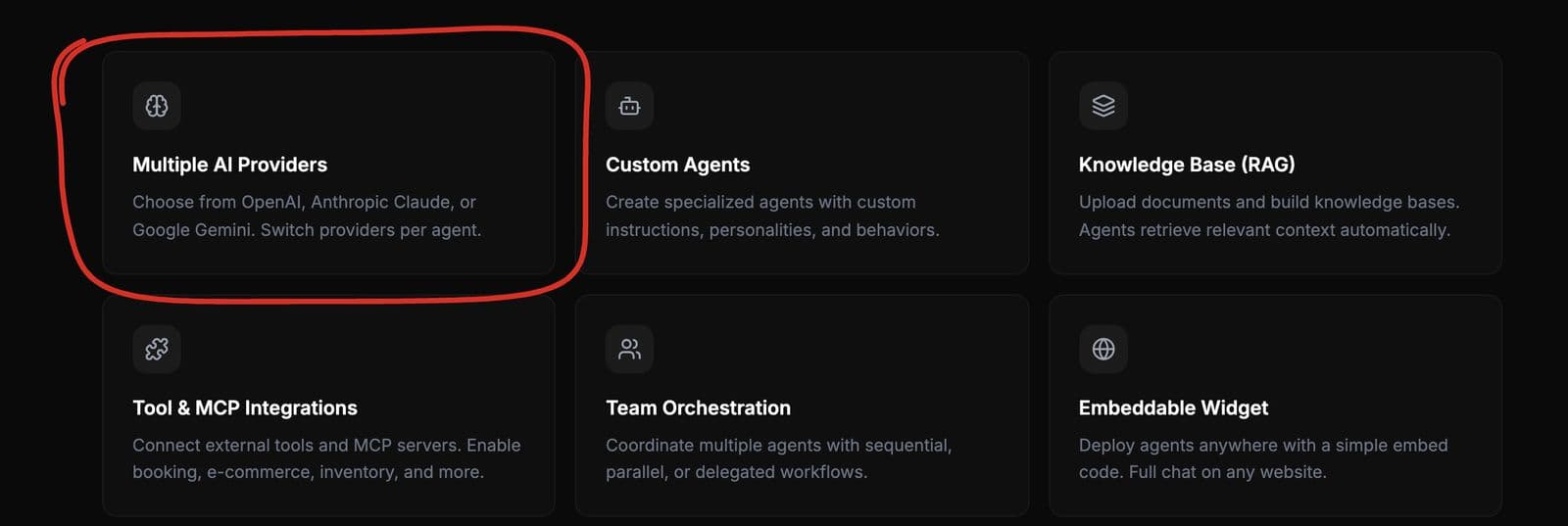
A full platform for building AI agents, which I built from scratch. You create an agent, choose the model (GPT-4o, Claude or Gemini), and give it knowledge by uploading documents or pulling in a whole website. It goes past a single chatbot: teams of agents that hand work to each other, an embeddable chat widget with a built-in CRM, live chat with handoff to a person, custom code tools and memory that persists between conversations. It runs on Next.js and Supabase with a retrieval (RAG) pipeline. It's live at os.liberators.ai.
Chat assistants on three live hotel websites
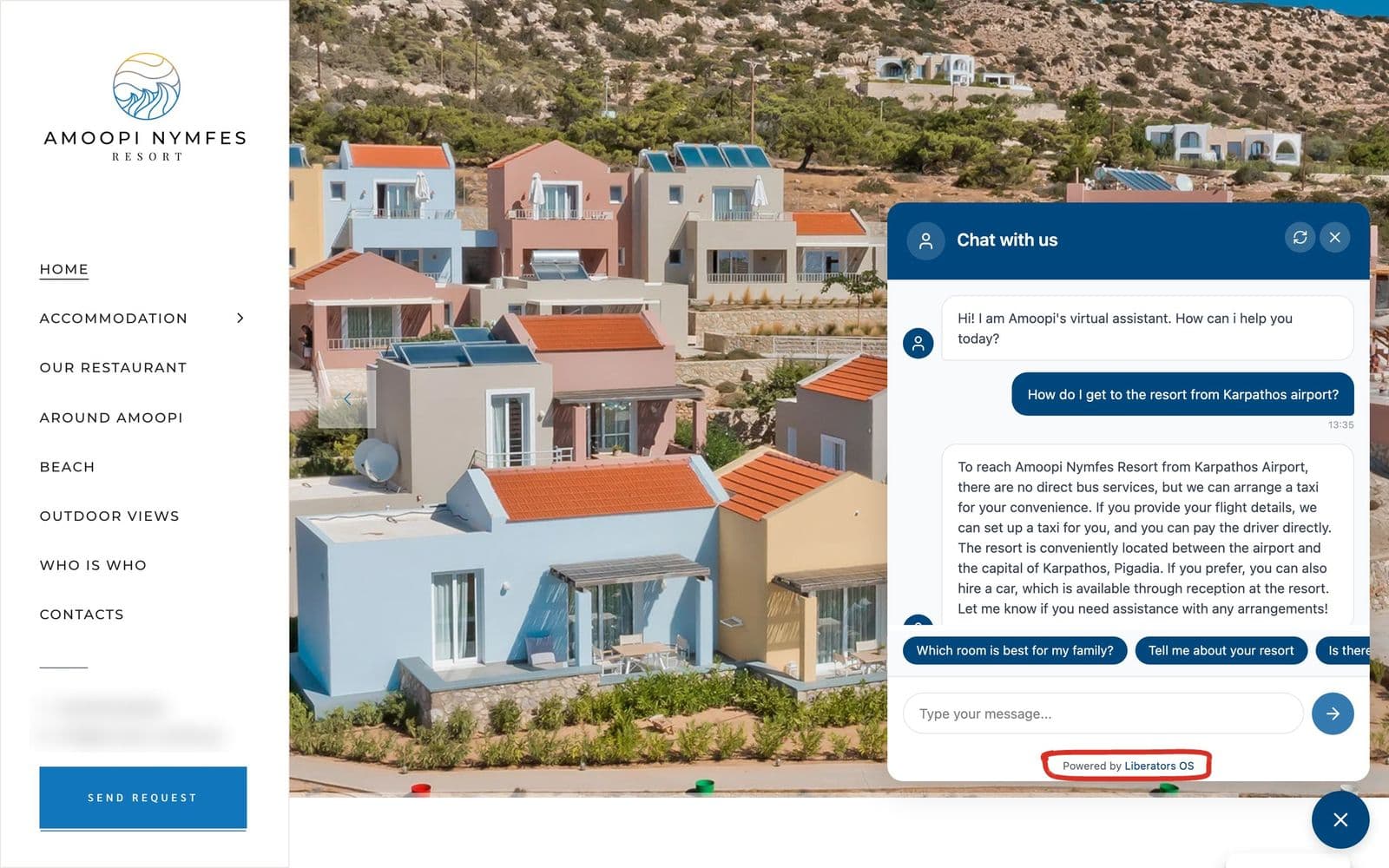
Aroma Suites, Casa di Terra Villa and Amoopi Nymfes each run a chat assistant built on Liberators OS. I checked that all three were live on 23 September 2026. They answer guest questions from the hotel's own content. I wrote up what I learned in my guide to AI chatbots for hotels.
Filling a shipping company's equipment templates from its vessel records
Staff upload a vessel's Excel template: the list of machinery and equipment items that has to be filled in. The system searches that vessel's manuals and equipment registers (RAG), finds the matching entries and fills them into the template's cells. Each one points to the source file and row, with up to five supporting files per item. Items it checked and threw out are listed too, with the reason, like a name that didn't match. People can check what it ruled out as well as what it found.
A patent screening agent for pharmaceutical R&D
An agent that searches European, US and other patent databases at the molecule level, sorts each patent by type and legal status, and flags expiry dates. Each result cites the filing it came from. It's an ongoing engagement.
Invoice matching that reads Greek receipt stamps
A document pipeline for a Greek supermarket chain with 175 stores. It reads scanned delivery notes and matches them against invoices. The hard part is the receipt date on the warehouse's stamp. It's in Greek, sometimes stamped and sometimes written in pen, usually crooked, often with a signature over it. Standard OCR breaks down there, so a vision model reads it. The chain handles over 100,000 documents a month.
A multi-agent platform for a marketing agency
An internal platform where a central agent routes each request to one of five specialist agents. They use real tools mid-conversation: reading and writing Google Workspace files, generating images, and pulling from shared memory that lasts across sessions.
More of my work is on the portfolio page.
AI automation consultant or agency: what you get with one person
Hiring one consultant or AI automation freelancer instead of an agency changes who you deal with. With me, the person who scopes the project is the person who writes the code. Nothing gets lost between a sales call and a development team, and when something breaks you talk to the one person who knows why.
The trade-off is capacity. I'm one person, so I take on fewer projects at a time than an agency would, and I'll tell you up front if I can't fit yours in.
How a project works
AI automation consulting with me runs in four steps. Between steps, you decide whether we go on. Once we agree to start a step, though, we finish it. The only reason to stop partway through is if something in that step turns out not to be right for you.
- A first call.You tell me what's taking your team's time. I ask about volumes, the tools you use, and where your data lives.
- Assessment.I map the processes in working sessions with you and the people who do the work. Those sessions are also where I get access to your systems and the context I need to connect them properly. Then I pick the one to three with the clearest payback, and you get a written plan: what to build, what it needs, what it won't do, and how we'll measure it.
- First build.One system, in production, with a person reviewing its output at the start. It's small enough to finish, and real enough that you can judge whether it works. I stay in close contact until it's stable and doing the job properly.
- Run and extend. I also train your team, in this order: how to set things up and keep them organised, then how AI fits into their daily work, then the more advanced uses. Once the first system earns its keep, we decide together what comes next.
Where AI automation works, and where it doesn't
It works well on:
- Repeat questions from customers or guests, answered from your own content
- Search across documents that people otherwise read by hand
- Document processing, like reading scans and matching them against records
- Routing and first replies, so enquiries get an answer outside office hours
It works badly on:
- Judgement calls, like refunds, complaints and exceptions. A person should make those, so I design the system to pass them on.
- Messy or missing data. If the answer isn't written down anywhere, the AI will guess, and a guess sounds just as confident as a fact. I ground systems in your documents and make them cite sources for that reason.
- Processes nobody owns. If no one on your side checks the output in the first weeks, errors pile up quietly.
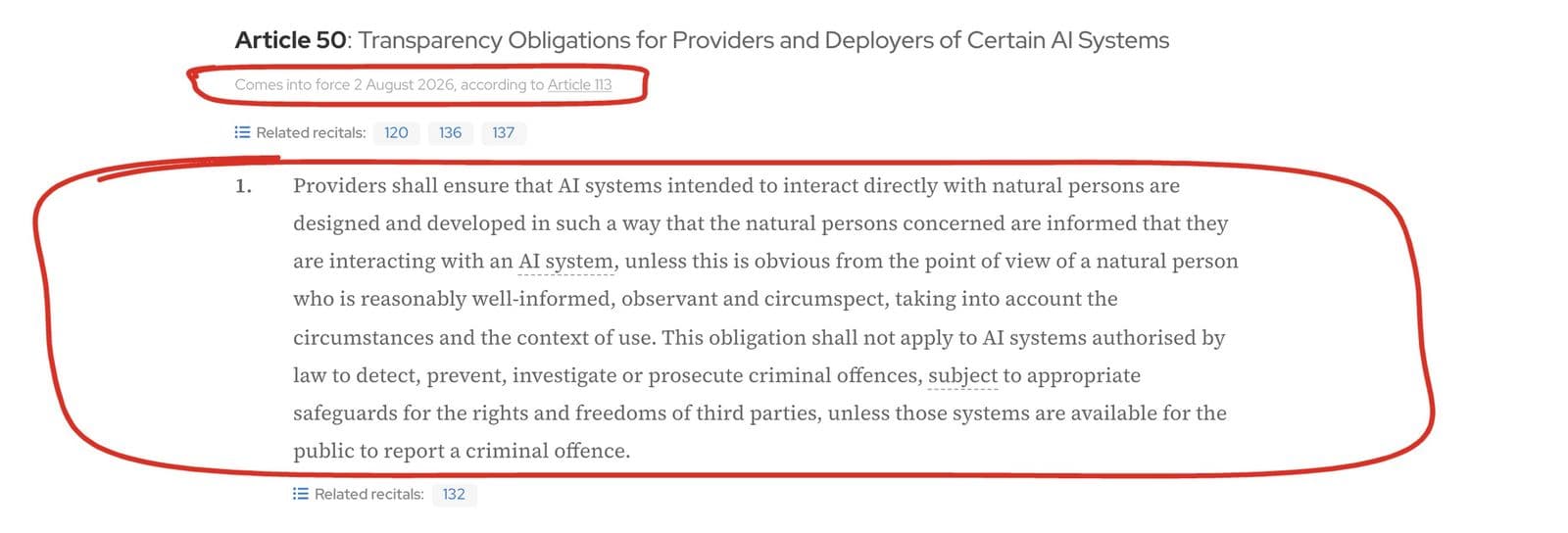
There's also the law. In the EU, Article 50 of the AI Act applies from 2 August 2026: people have to be told when they're talking to an AI system. A chat assistant on an EU business's website needs to say it's an AI, and I build that in from the start.
Who I work with
I work as an AI automation consultant for small and mid-sized businesses, hotels, and teams sitting on documents they can't search. I'm based in Crete and work remotely, in English and Greek, with clients in Greece and abroad. If you want an AI automation expert who'll also look after the website and technical SEO around the system, I do those too. I also write about the tools themselves, like this breakdown of Grok Bot.
FAQ
What is an AI automation consultant?
An AI automation consultant looks at how your business runs, finds the tasks AI can take over or speed up, and designs how that should work: which model, which data, and where a person stays in the loop. Some consultants hand over a plan. I also build and run the system.
How much does it cost to hire an AI automation consultant?
It depends on the process and the systems it touches. I start with an assessment, and after it you get a written plan with a fixed price for the first build, so you know the cost before any code gets written. Get in touch and describe the task.
Do you only advise, or do you build too?
I build. Every system on this page is one I built myself, from the retrieval pipeline to the chat widget.
Which AI models do you work with?
OpenAI, Anthropic and Google models: GPT, Claude and Gemini. I pick the model per task. A system that reads Greek handwriting needs a different model than one that answers hotel guests.
Will AI automation replace my staff?
That's not how I scope projects. The goal is to take repetitive work off your team so they spend their time on the parts that need a person. Judgement calls stay with people.
How do you stop the AI from making things up?
By grounding it in your own documents and making it cite its source, so every answer can be checked. When the system doesn't find the answer, it should say so or pass the question to a person rather than guess.
Do you use no-code tools like n8n or Make?
Sometimes, for simple connections between apps where custom code would be overkill. The systems on this page are custom-built.
Do you work with companies outside Greece?
Yes. I work remotely, in English or Greek, and most of the work happens over calls and shared documents anyway.
Tell me what's taking your team's time
Describe the task you'd like off your plate: what it is, how often it happens, and which tools it touches. I'll tell you whether AI is a good fit for it, and if it isn't, I'll say so.
Or write directly to me@pkarampetsos.com